Hydraulic Hose Repairs Portstewart
Heavy-duty hydraulic hose manufacture, replacement and breakdown support for excavators, diggers, telehandlers, loaders, dumpers, agricultural machinery and other high-pressure plant systems.
This is commercial plant hose work — large-bore assemblies, crimped ends, hydraulic fittings and made-to-spec connections for machinery where a failed line can stop the whole job.
Portstewart
What hydraulic hose support in Portstewart actually means
The wider Portstewart service area includes machines working in places where recovery is awkward. A telehandler, excavator or loader with a failed main line may be unable to travel, lower an attachment or complete the movement needed to get itself out of the job.
CPR serves Portstewart and nearby areas towards Coleraine, Portrush, Castlerock and Articlave. Nearby places such as Coleraine, Portrush and Castlerock are included because they form part of the realistic surrounding catchment, not because CPR is claiming a separate branch in each settlement. CPR Hydraulics is based in Lavy, near Magherafelt.
This page therefore concentrates on on-site hose support for compact and heavy plant working around coastal construction and contracting jobs. If the machine can be made safe and the failed assembly removed intact, taking the hose to the workshop gives the technician the best physical reference. If the machine is immobilised, photographs of the fittings, hose markings and route can help decide what support is practical before anyone travels.
Around Portstewart, the machines most likely to justify urgent support are the ones that cannot earn or complete the job without hydraulics: excavators that cannot move a boom, telehandlers that cannot lift or retract correctly, loaders with a failed lift/tilt circuit, dumpers with tipping issues, and agricultural machines stopped during time-sensitive work. The page is written for those situations rather than for low-pressure domestic hose use.
Hoses for machinery that works under hydraulic load
The machine cards below are deliberately specific. They show the kind of movement and hose duty CPR is targeting rather than padding the page with unrelated “hose repair” keywords.
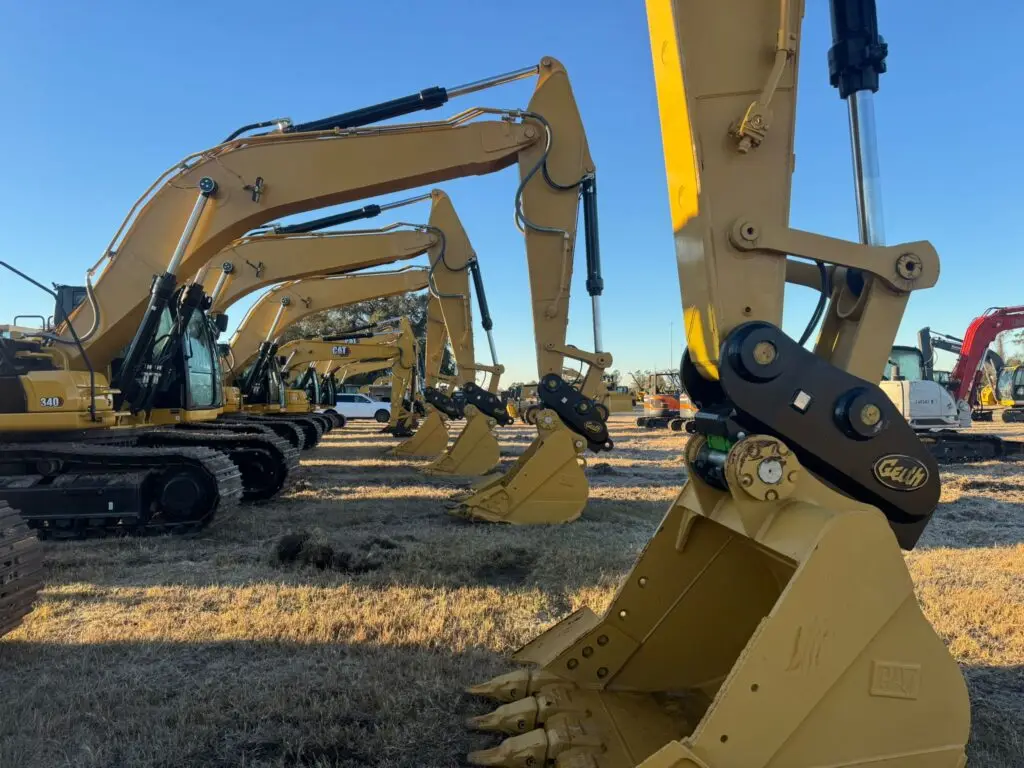
Tracked excavators
For Portstewart, this includes main boom and auxiliary circuits where abrasion and movement are common failure risks. The important point is matching the assembly to the actual machine rather than supplying a generic hose.
Mini diggers
For Portstewart, this includes compact routing spaces that make hose length and fitting angle especially important. The important point is matching the assembly to the actual machine rather than supplying a generic hose.
Telehandlers
For Portstewart, this includes long boom movement and attachment circuits that can punish a poorly routed hose. The important point is matching the assembly to the actual machine rather than supplying a generic hose.
Loading shovels
For Portstewart, this includes high-flow lift and tilt functions with large fittings and repeated working cycles. The important point is matching the assembly to the actual machine rather than supplying a generic hose.
Tractors & loaders
For Portstewart, this includes hydraulic services for loaders, implements and auxiliary equipment. The important point is matching the assembly to the actual machine rather than supplying a generic hose.
Specialist plant
For Portstewart, this includes custom machinery and attachments that may need made-to-spec lengths or unusual ends. The important point is matching the assembly to the actual machine rather than supplying a generic hose.
Six details CPR needs to get right
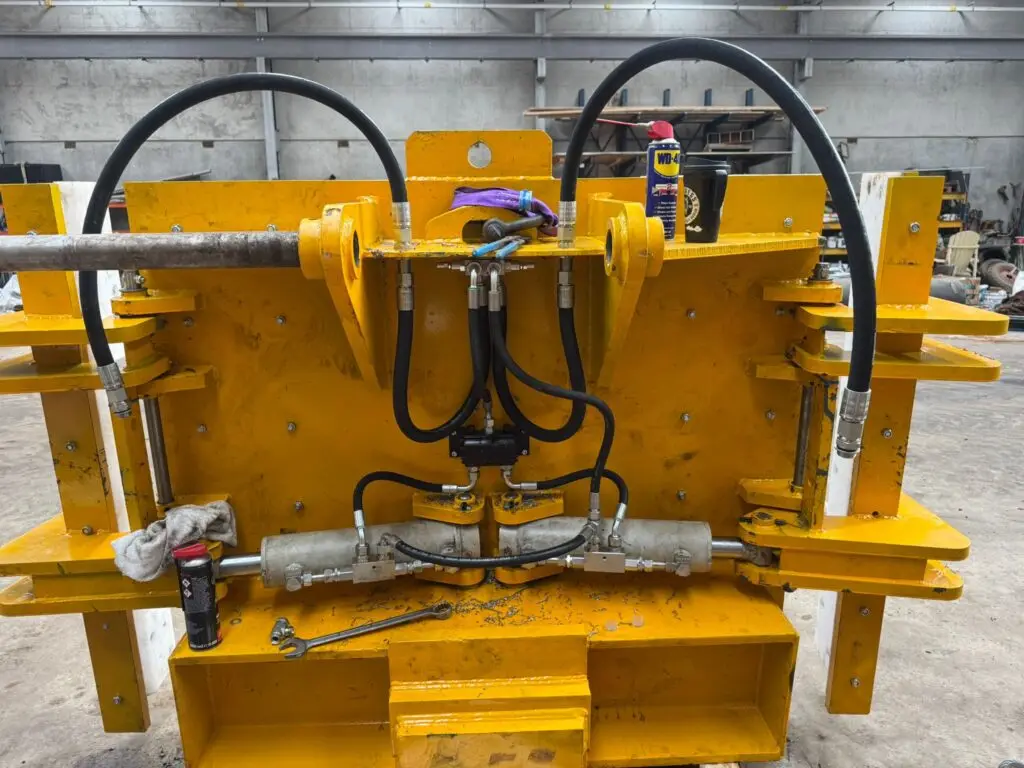
The old hose is valuable because it contains information that a generic catalogue search cannot safely infer.
Routing, bend and abrasion matter after the new hose is fitted
Machines around Portstewart often fail hoses at the exact places where movement is concentrated: boom pivots, articulated joints, loader arms and attachment points. The replacement needs to be checked at more than one machine position so the hose is not tight at full extension or trapped when folded.
A hose that is too short can be pulled tight at full articulation. One that is too long can rub, snag or kink. Hose life can also be shortened by twisting, tight bends, clamp points, heat and contact with steel edges. When a hose has failed repeatedly in the same place, the route deserves as much attention as the replacement assembly.
Agricultural hydraulics often mix machine and implement connections
Tractors, loaders, handlers and implements can use a mix of fixed hose assemblies, quick couplers and auxiliary circuits. Dirt, movement and seasonal workloads can be hard on hoses. Keeping the removed assembly and showing the machine-side connection helps avoid confusion where several visually similar fittings are in use.
Applied to Portstewart, that means the technician needs enough evidence to reproduce how the original assembly actually functioned on the machine, not merely how it looked after it had failed.
From stopped machine to a usable replacement
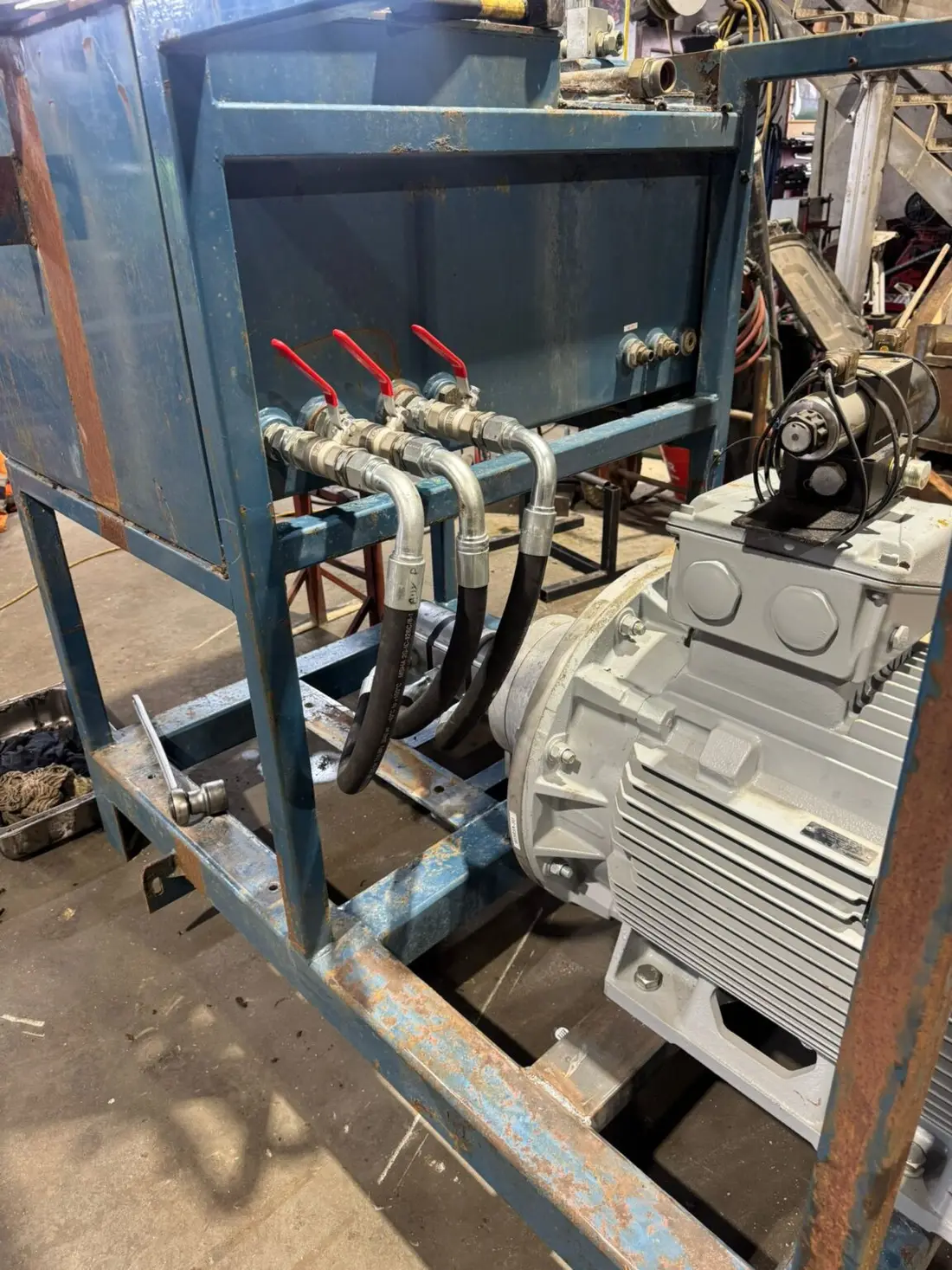
There is no value in making a hose quickly if it is the wrong hose. A disciplined breakdown process reduces wasted trips and repeat failures.
Stop and isolate
High-pressure oil is dangerous. Shut down and depressurise safely before inspection or removal. That is especially relevant around Portstewart when downtime or machine recovery is difficult.
Record length and orientation
Before the old hose is discarded, note overall length and how angled ends sit relative to one another. That is especially relevant around Portstewart when downtime or machine recovery is difficult.
Identify the connection family
Check the sealing face, thread or flange arrangement and separate machine adapters from the actual hose end. That is especially relevant around Portstewart when downtime or machine recovery is difficult.
Return the machine carefully
Once fitted, inspect routing and connections as hydraulic pressure is restored in line with normal machine procedures. That is especially relevant around Portstewart when downtime or machine recovery is difficult.
Similar-looking hydraulic connections can seal in completely different ways
Heavy plant can use BSP, JIC, ORFS, Metric/DIN and SAE-style flange connections, sometimes with adapters between the hose and the machine. Correct identification protects the port and avoids chasing a leak caused by the wrong sealing method.
| Connection detail | Why it matters | What helps identification |
|---|---|---|
| Connection ID | Correct identification protects the machine port from cross-threading or a mismatched seal. | Do not rely on outside diameter alone. |
| Hose-to-pipe transition | Rigid steel pipe often changes to flexible hose near articulation points. | Show any adapters or unions between pipe and hose. |
| Large flange ends | High-flow circuits may use flange-style connections that need the correct pattern and sealing elements. | Photograph bolt/flange arrangement and old seal location. |
| Couplers and attachments | Auxiliary circuits may terminate at quick couplers or attachment manifolds. | Show both the hose end and what it connects to. |
Six things worth checking before the new hose goes back on
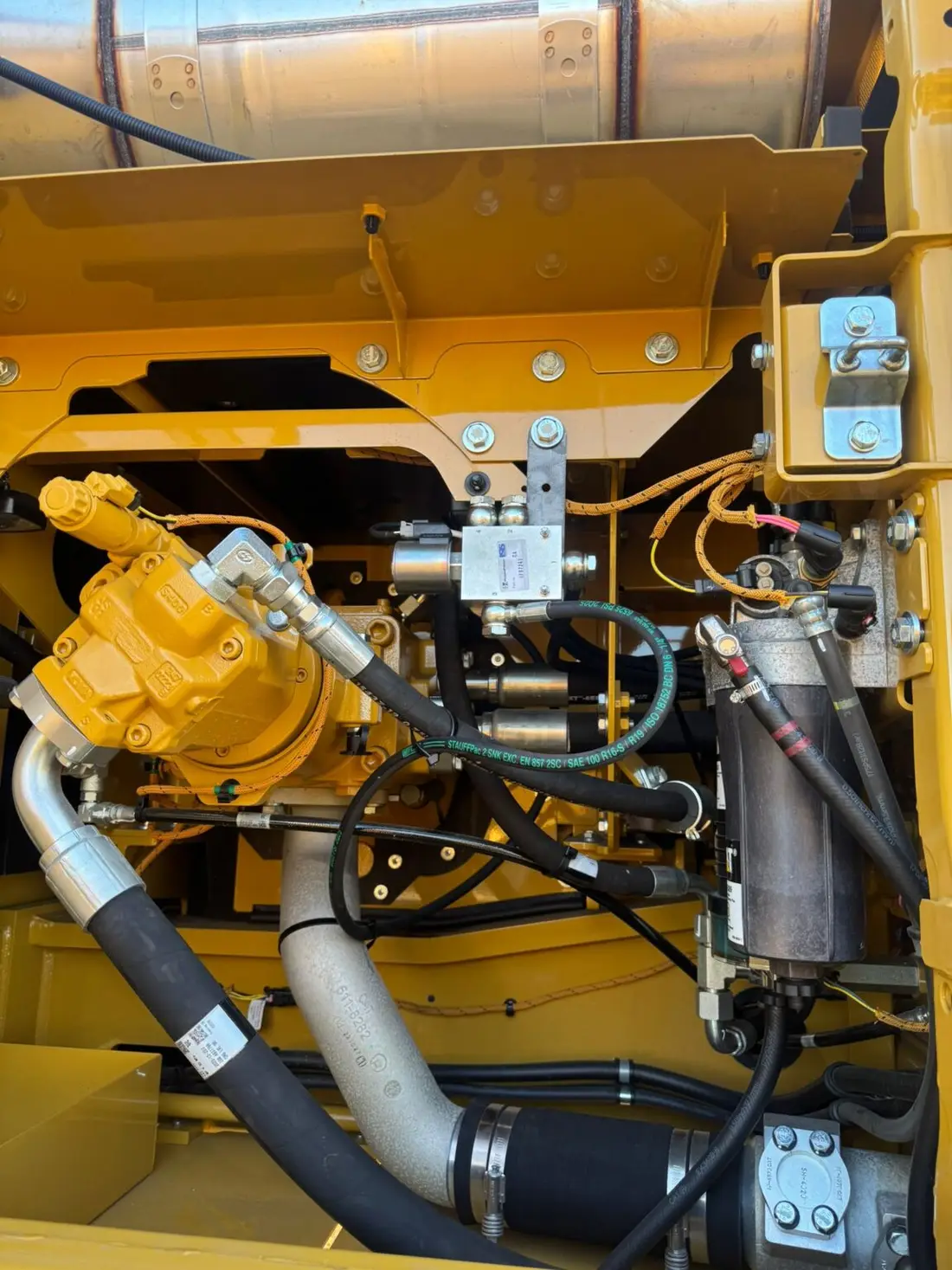
The location of the damage often tells you whether the original assembly simply aged out or whether routing, movement, heat or connection problems contributed.
Repeated bend at one point
If the same section flexes sharply on every cycle, the hose can fatigue there even when the rest of the assembly appears healthy. For a Portstewart breakdown, noting where the failure occurred gives CPR more useful information than simply saying “the hose burst”.
Poor support or clamping
A hose with too much uncontrolled movement can whip, rub and work the fitting ends harder than intended. For a Portstewart breakdown, noting where the failure occurred gives CPR more useful information than simply saying “the hose burst”.
Abrasion on steelwork
Outer-cover wear usually means the hose has been moving against a frame, boom, clamp or neighbouring line. The replacement needs a route that avoids repeating the same contact. For a Portstewart breakdown, noting where the failure occurred gives CPR more useful information than simply saying “the hose burst”.
Failure next to the crimp
A split close to the fitting can concentrate attention on flex, fitting angle, hose age and whether the assembly is being bent too close to the end. For a Portstewart breakdown, noting where the failure occurred gives CPR more useful information than simply saying “the hose burst”.
Twisted assembly
A hose installed with angular tension can try to unwind every time the circuit moves. End orientation matters on assemblies using angled fittings. For a Portstewart breakdown, noting where the failure occurred gives CPR more useful information than simply saying “the hose burst”.
Pulled tight at full reach
Boom and attachment machinery can hide a length problem until the machine reaches full extension or articulation. For a Portstewart breakdown, noting where the failure occurred gives CPR more useful information than simply saying “the hose burst”.
Heavy hose assemblies, fittings and workshop capability
Each image file on this page is renamed around the Portstewart target query, while the alt text still describes what the image actually shows. The photos support the service rather than acting as generic decoration.
Hydraulic hose repairs around Portstewart
The page covers Portstewart and nearby areas towards Coleraine, Portrush, Castlerock and Articlave. Nearby places include Coleraine, Portrush, Castlerock, Articlave and Garvagh.
That geographic wording is deliberate: CPR is not pretending to have a depot in every town. CPR Hydraulics is based in Lavy at 7 Drumard Hill, Magherafelt BT45 8QD. The Portstewart page exists because the business genuinely serves the wider area and the local information helps customers decide whether to bring a removed hose in or ask about call-out support.
What to have ready
Machine: make, model and what hydraulic function has stopped.
Hose: photos of both ends, markings and any obvious damage.
Connection: one close-up and one wider photo showing adapters and surrounding pipework.
Location: site or yard location around Portstewart and whether the machine can be moved safely.
Based in Lavy. Serving Portstewart.
CPR Hydraulics operates from Lavy, near Magherafelt. Our base is at 7 Drumard Hill, Magherafelt BT45 8QD, and we provide hydraulic hose repair, replacement and mobile call-out support for plant and machinery in Portstewart and nearby areas where suitable.
Magherafelt BT45 8QD
Portstewart is a service area rather than a separate CPR branch. The map shows our actual operating base.
Hydraulic hose repair questions in Portstewart
Answers that help a plant operator provide the right information before a hose is made or a call-out is considered.
Do you repair hydraulic hoses on excavators and diggers in Portstewart?
CPR Hydraulics focuses on hydraulic hose manufacture and replacement for plant and machinery, including excavators, diggers, telehandlers, loaders, dumpers and agricultural equipment serving Portstewart and nearby areas such as Coleraine and Portrush.
What should I send before a hose breakdown visit around Portstewart?
Send a close photograph of each hose end, readable hose markings, the machine make/model, the machine-side connection points and one wider image showing where the hose runs. That helps distinguish the hose itself from adapters and surrounding pipework.
Can the old hydraulic hose be used as the pattern?
Yes, where it can be removed safely and kept intact. The old assembly is useful for bore, length, fittings and the rotational relationship between angled ends.
Do you handle large-bore and high-pressure assemblies?
CPR’s existing hose service states that it handles large-bore hose assemblies, hose ends and fittings, made-to-spec connections, and both high- and low-pressure systems.
Is there a CPR workshop in Portstewart?
CPR Hydraulics is based in Lavy at 7 Drumard Hill, Magherafelt BT45 8QD; Portstewart is an area we service, not a separate branch location. This page describes genuine service coverage for Portstewart and surrounding areas; call-out suitability depends on the job and availability.
Regional, nearby and technical hose pages
These internal links keep the page part of a real subject hierarchy rather than an isolated doorway page.