Plant & Machinery Hydraulic Hose Repairs
Heavy-duty hose replacement across excavators, loaders, dumpers, handlers and specialist plant. Written around commercial plant and machinery rather than generic hose applications.
How CPR identifies the failed assembly
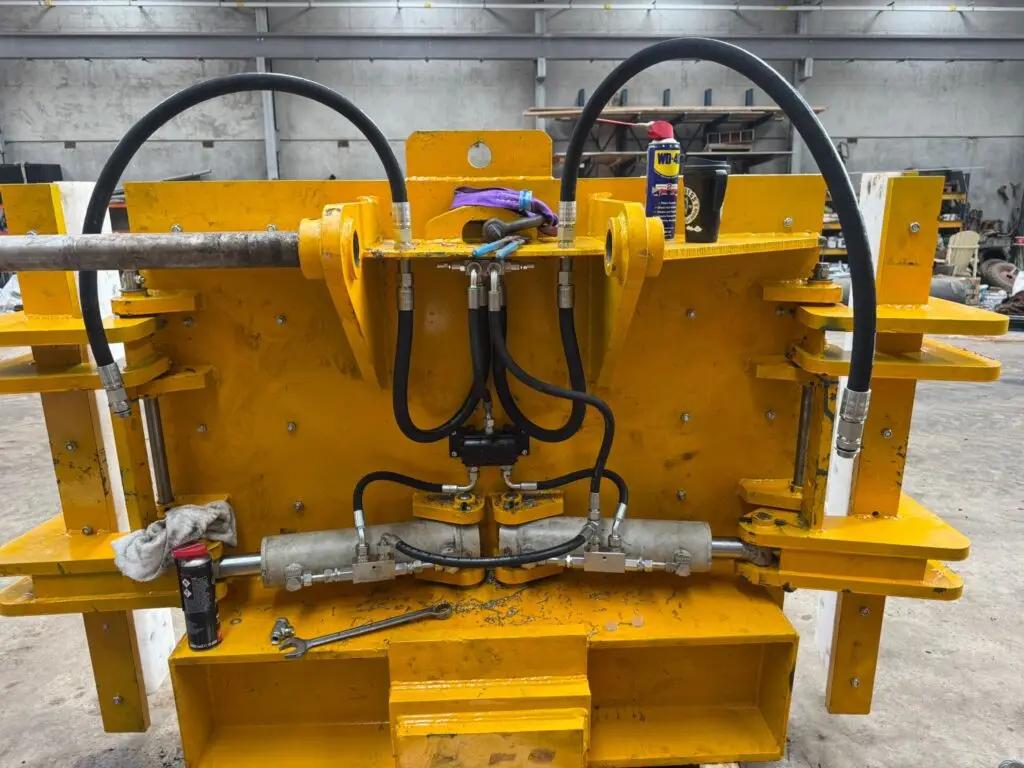
A replacement starts with identification, not guesswork. The useful clues are the hose markings, internal bore, reinforcement family, overall length, end fittings and how the two ends are oriented. On a machine with angled ends, even a correctly sized hose can sit badly if the orientation is wrong. Clear photographs and the removed hose are often the fastest route to a correct match.
What CPR needs to match
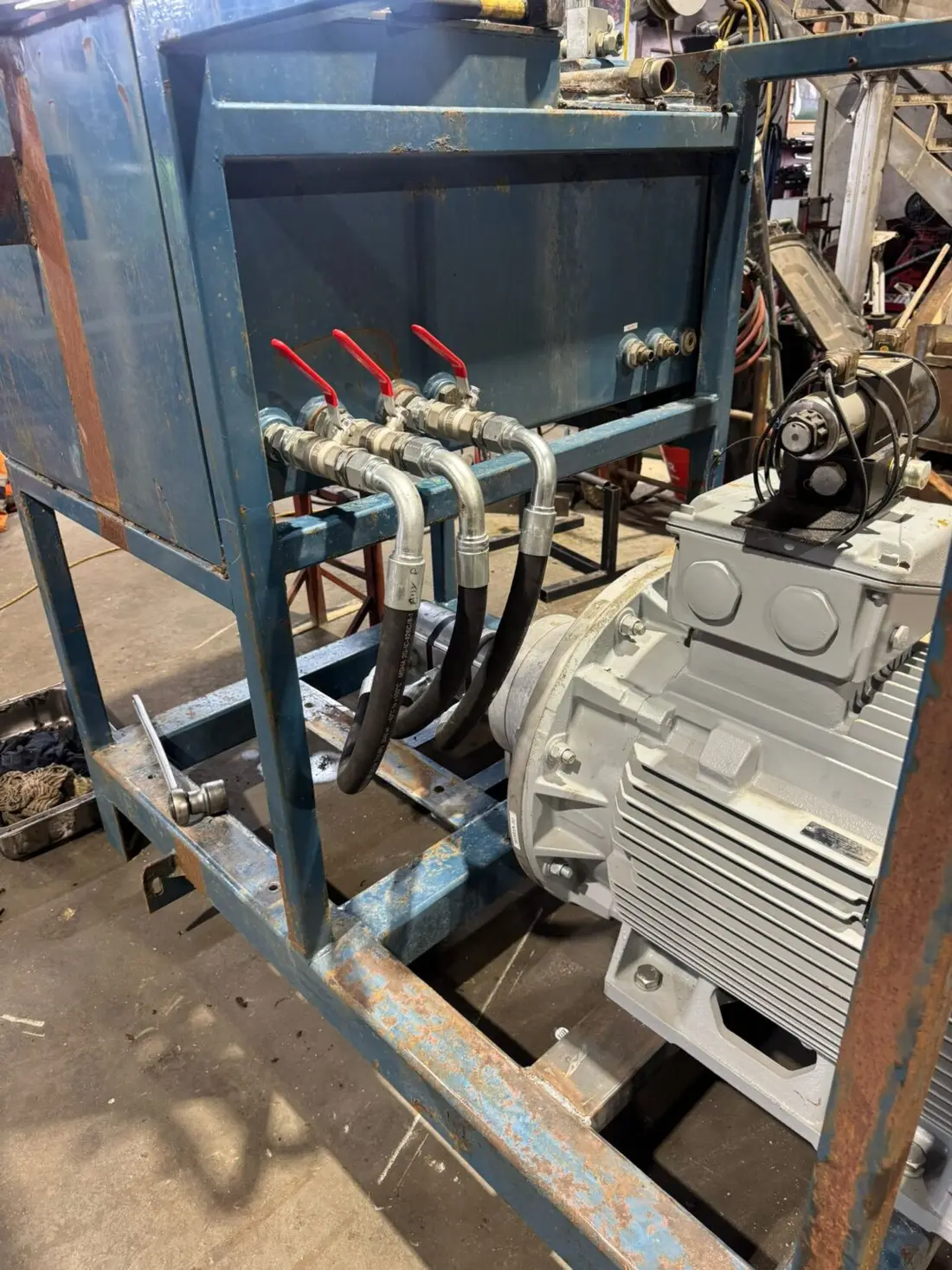
If the old hose can be removed safely, keeping it intact is valuable. Photograph both ends and the machine-side ports before dismantling where practical.
The failure point tells you something
A leak at the crimp, a burst in the hose body, exposed reinforcement, abrasion through the cover and damage next to the fitting are different failure patterns. Replacing the hose is the immediate job, but the pattern can also point to routing, movement, age, contamination or mechanical damage that should be checked before the machine returns to work.
Correct connection
Do not force a visually similar fitting into a machine-side port. The sealing method matters.
Correct movement
Check the hose through the machine’s working range so it is not pulled tight, twisted or rubbing at full articulation.
Correct environment
Heat, abrasion, debris and repeated flexing can change what a durable installation needs.
Workshop manufacture and call-out support
CPR’s existing service covers large-bore hose assemblies, a range of hose ends and fittings, made-to-spec connections, high- and low-pressure systems, and call-out availability.
Reference the old hose
Use markings, size, end fittings, length and orientation.
Confirm the circuit
Understand whether the hose is pressure, return, suction, pilot or another function.
Make the assembly
Match hose and fitting components and crimp to the intended combination.
Install correctly
Avoid twist, tight bend and obvious abrasion points before returning the machine to work.
Find hydraulic hose support near your machine
Use the regional hubs to reach local coverage pages without creating duplicate versions of the same town.
Plant & Machinery Hydraulic Hose Repairs: common questions
Useful checks before a replacement is made.
What does CPR cover on plant & machinery hydraulic hose repairs?
CPR focuses on heavy plant and machinery. This guide explains heavy-duty hose replacement across excavators, loaders, dumpers, handlers and specialist plant.
Can CPR make hoses to specification?
CPR’s existing hose service states that hose or connection assemblies can be made to specification, with hose ends and fittings stocked for heavy plant work.
Does CPR handle large-bore hose?
Yes. CPR’s current hose page specifically states that it handles all types of large-bore hose assemblies.
Is the service available across Northern Ireland?
CPR is based in Mid Ulster and serves a wider Northern Ireland service area. Call-out suitability depends on machine location and availability.